


8 Benefits of Sit/Stand Desks
Carbon Footprints & The Spynamics Range
Posted by Kath Carron on

The Spynamics Chair: Supporting Better Back Health While Reducing Environmental ImpactFor people living with chronic back pain, finding the right seating solution can make a significant difference to comfort, productivity, and wellbeing at work. This is why specialist ergonomic seating is often recommended through the UK's Access to Work scheme, which helps people with disabilities and health conditions remain comfortable and effective in the workplace.Alongside the health benefits, many organisations and individuals are increasingly considering the environmental impact of the products they purchase. One way of measuring this impact is through a product's carbon footprint.What Is a Carbon Footprint?A carbon...
Which Castors Do I Need on My Office Chair?
Posted by Kath Carron on

Which Castors Do I Need on My Office Chair? When choosing an ergonomic office chair, most people focus on the backrest, lumbar support, or armrests — but one of the most overlooked features is actually the castors. The wrong castors can make a chair difficult to move, damage flooring, create instability, or even contribute to poor posture and strain. The right castors help your chair glide smoothly, improve movement at your workstation, and protect your floor surface. In this guide, we explain the different types of office chair castors, which flooring they are best suited to, and how they work...
Can Work Pay For An Ergonomic Chair?
Posted by Kath Carron on

Short answer: yes — in many cases, your employer can (and sometimes should) pay for an ergonomic chair. If back pain, discomfort, or a health condition is affecting your ability to work at a desk, an ergonomic chair is often considered a reasonable workplace adjustment, not a personal expense. Here’s how it actually works. When can work pay for an ergonomic chair? Employers can pay for an ergonomic chair when: Your job involves prolonged sitting Your current chair is causing or worsening back pain Discomfort affects productivity, concentration, or stamina An adjustment would reduce pain and help you work effectively...
What Is A Duty Of Care In The UK?
Posted by Kath Carron on

Duty of care is a legal obligation in the UK that requires individuals and organisations to take reasonable steps to protect others from harm. In the workplace, it means employers must do what is reasonably possible to keep employees safe, healthy, and not put at unnecessary risk while doing their job. It’s not about eliminating all risk — it’s about acting responsibly. Duty of care: the simple definition In UK law, a duty of care exists when: One party has responsibility for another, and It’s reasonably foreseeable that their actions (or inaction) could cause harm In plain terms: If you...
WHAT IS THE LOWEST DESK AVAILABLE?
Posted by Kath Carron on
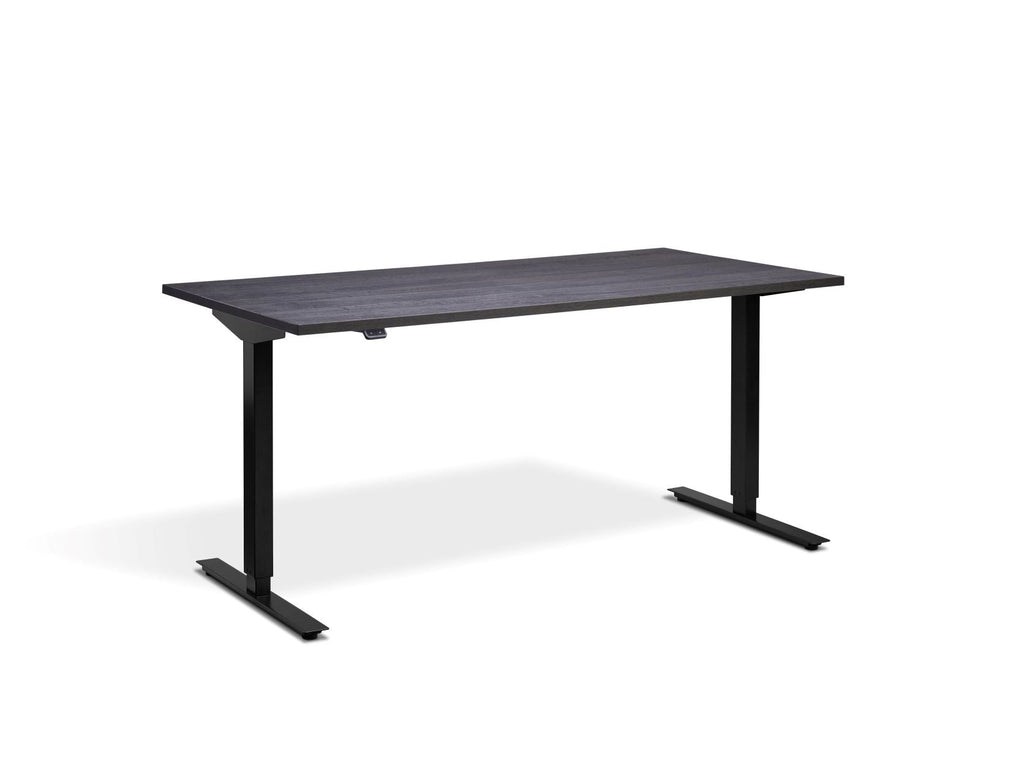
What Is the Lowest Desk Available? When it comes to choosing a desk, ergonomics and functionality are key—especially for those seeking ultra-low desk heights. Whether you're looking for a minimalist floor desk, setting up a meditation workspace, or trying to accommodate unique accessibility needs, knowing the lowest desk options on the market can help you make the best choice. Low desks may be needed for all sorts of needs, someone very short in stature or a wheelchair user, whatever the need is we have the answer at Emotion Office. 1. Traditional Desk Height Range Most standard desks sit around 28...

The team at Emotion Office were extremely helpful and knowledgeable. The post sales service was excellent too. I’d highly recommend them. Thanks Kath and team.
Emotion Office have been great! Nothing too much trouble and very attentive from order to installation - even on a small project like ours. I highly recommend them.
....it’s been life changing having my new stand up desk! I can’t fault it. Definitely recommend these guys. Two words, Love it.